7 Esthetician Equipment Picks for Facial Treatments
Last Updated: November 4, 2026
Quick Summary
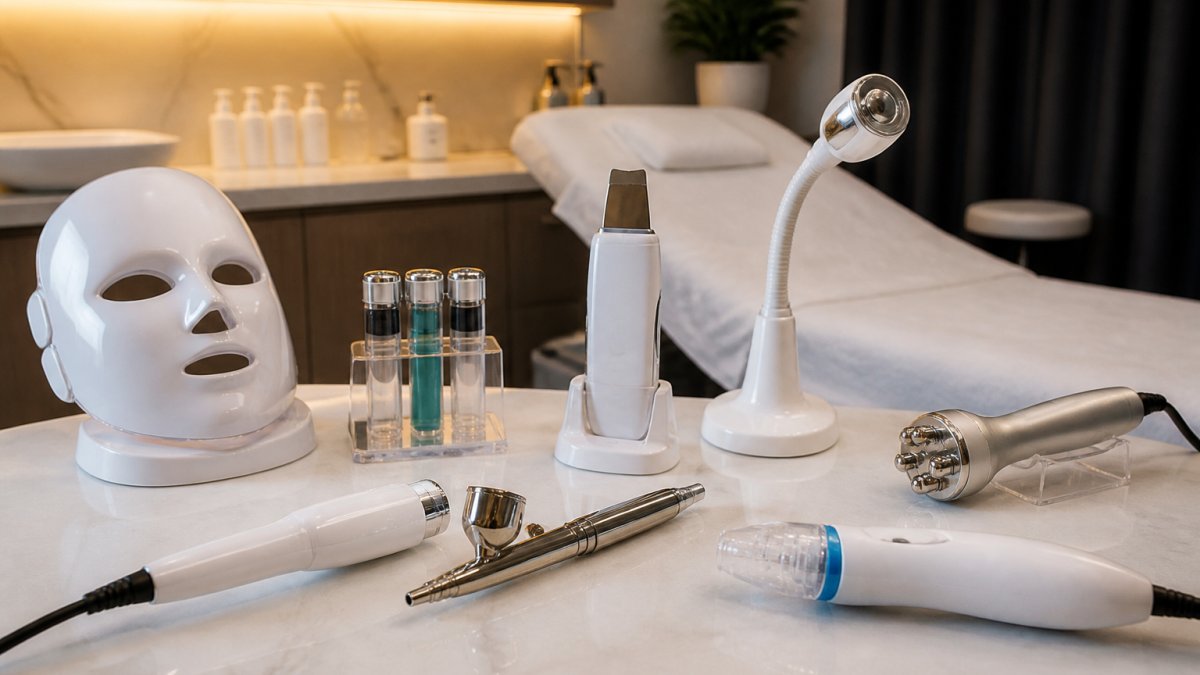
Esthetician equipment for facial treatments includes devices and tools used to assess skin and deliver planned services, such as multifunction systems, skin scopes, steamers, ultrasonic scrubbers, and dermaplane blades. Choose equipment based on your core services, room layout, staff training, and the care each device requires.
- A five-function tabletop system offers vacuum, spray, high frequency, ultrasonic, and brush functions.
- The SkinAct Facial Spa Skin Scope has a built-in 2X magnifying lens.
- Confirm dermaplane blades match the handle and follow the manufacturer’s instructions.
- Measure the treatment area and map the bed, cart, outlets, and devices before delivery.
Table of Contents
- 1. Quick Comparison of Esthetician Equipment for Facial Treatments
- 2. Multifunction Systems for Varied Facial Protocols
- 3. Essential Esthetician Tools for Professional Dermaplaning Services
- 4. Best Professional Dermaplaning Tool: Choosing by Service Needs
- 5. Dermaplane Blades for Estheticians: Selection and Safe Handling
- 6. Plan Equipment Costs, Room Fit, and Ongoing Care
- 7. Build Your Facial Treatment Room with SkinAct
- Frequently Asked Questions
7 Esthetician Equipment Picks for Facial Treatments
1. Quick Comparison of Esthetician Equipment for Facial Treatments
Esthetician equipment for facial treatments should match the services you plan to offer, the space you have, and the protocols your team can perform. This guide compares practical options by use case, not by feature count alone. Esthetician equipment is the devices and tools a practitioner uses to assess skin and deliver planned facial services. The best starting point is usually the equipment that supports your most common facial protocol. Specialized tools often become essential when integrating clinical facial treatments into your practice to effectively manage persistent congestion.
| Equipment | Main use | Room fit |
|---|---|---|
| Five-function system | Multiple facial steps | Compact unit |
| Skin scope | Cosmetic skin assessment | Counter or spa cart |
| Steamer with lamp | Steam and magnification | Treatment room |
| Ultrasonic scrubber | Cleansing and exfoliation | Focused device |
| Dermaplane blade | Professional dermaplaning | Service-specific tool |
For a new room, prioritize core services and workflow before adding specialized modalities. FDA overview of cosmetic products and devices offers useful context for distinguishing cosmetic equipment from medical claims.
2. Multifunction Systems for Varied Facial Protocols
A multifunction system suits estheticians who want several modalities in one setup, while a focused device is simpler when one service drives the schedule. SkinAct’s Ultra 6 In 1 combines microdermabrasion, an ultrasonic skin scrubber, bipolar RF, needleless mesotherapy, cooling treatment, and microcurrent. Its range supports varied facial protocols, but staff still need clear service plans and training for each function. Compare it with the Platinum Multifunction Skincare System, a customizable option for varied facial protocols.

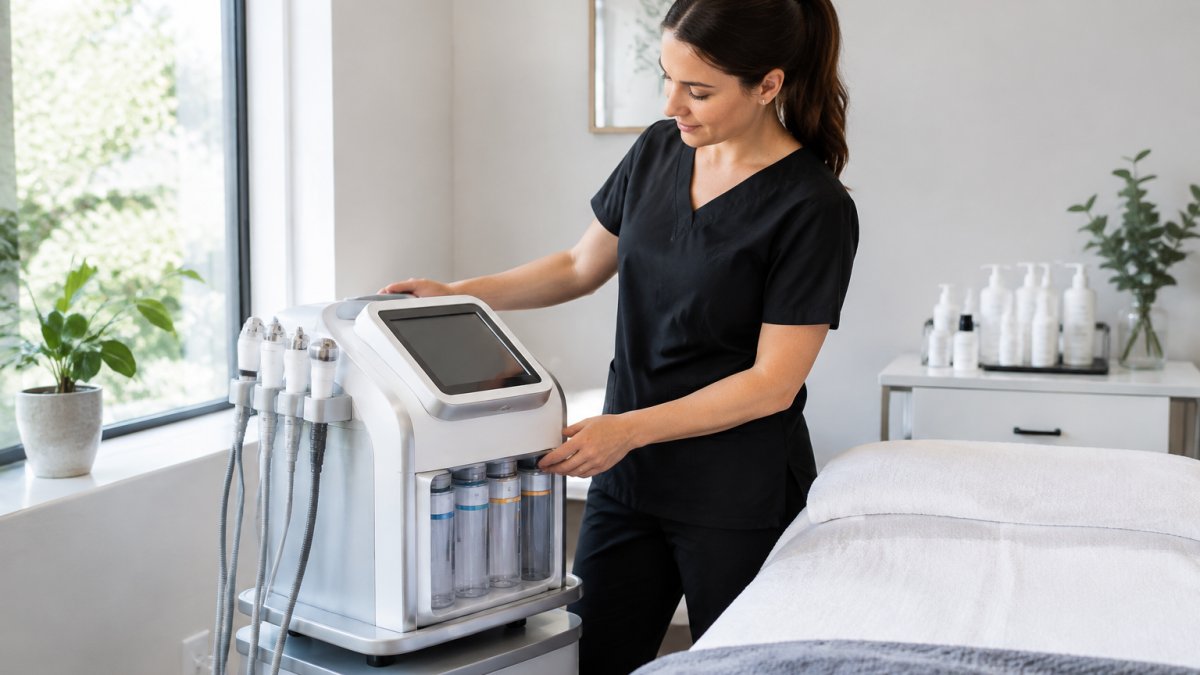
The five-function tabletop system offers vacuum, spray, high frequency, ultrasonic, and brush functions. A common mistake is buying a machine for its feature list before deciding which functions fit the menu. SkinAct also offers Online Service Training for Estheticians for practitioners adding modalities.
3. Essential Esthetician Tools for Professional Dermaplaning Services
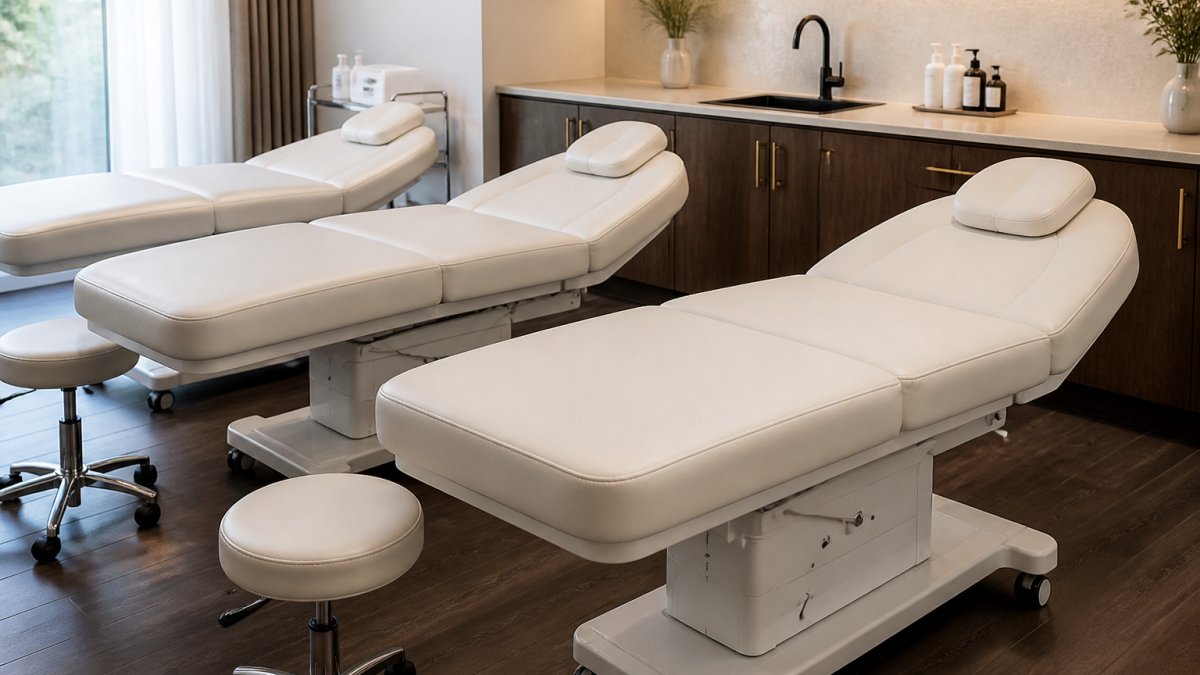
The SkinAct Facial Spa Skin Scope has a built-in 2X magnifying lens and tabletop design for a counter or spa cart. It is intended for cosmetic evaluation, not medical diagnosis. For a broader view of treatment-room furniture and fit, see our treatment table selection guide.
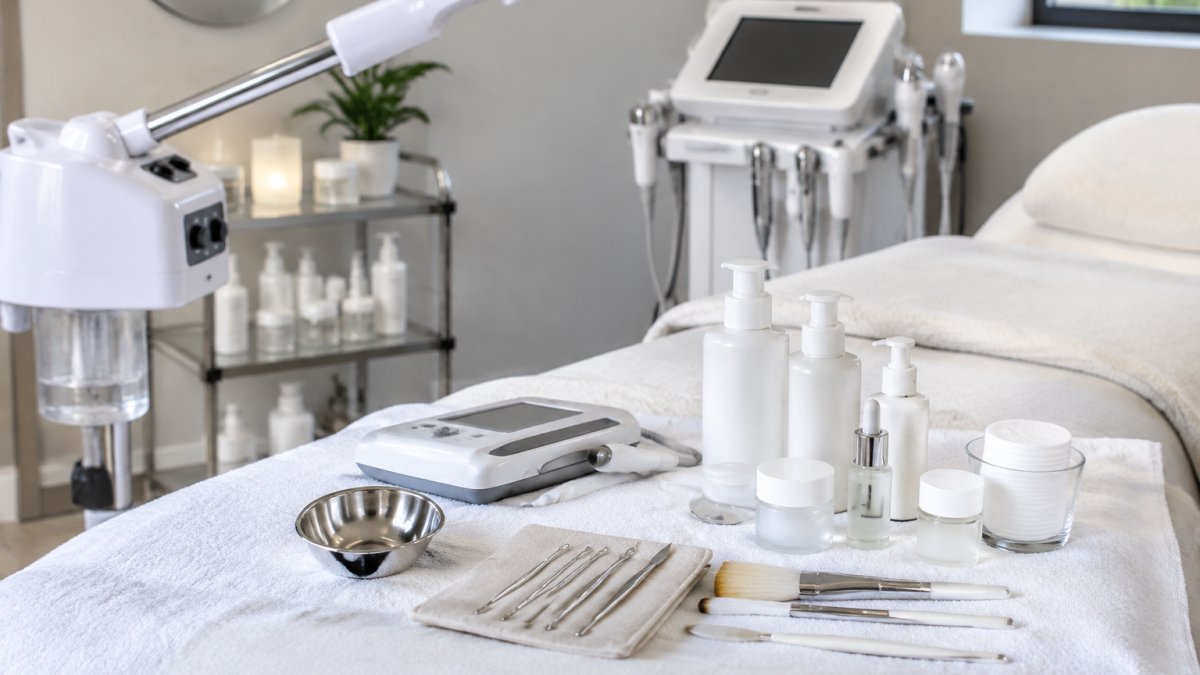
What most guides miss: visibility and room layout shape the practitioner’s workflow as much as the blade does. Keep the assessment device within reach, then arrange tools so the working area stays clear. Follow applicable licensing rules and your establishment’s sanitization protocols.
4. Best Professional Dermaplaning Tool: Choosing by Service Needs
Do not infer blade characteristics or treatment indications from the size designation.
Use this selection checklist:
- Compatibility: Confirm the blade is designed for the specific handle and attachment method. Do not force a blade that does not seat securely.
- Documentation: Review the manufacturer’s instructions, including handling, storage, and disposal or reprocessing directions. If instructions are missing or unclear, ask the supplier before using the product.
- Training and scope: Choose only tools and procedures covered by your training and permitted by applicable state and local requirements. A blade does not expand an esthetician’s scope of practice.
- Service workflow: Plan how the blade will be opened, handled, kept separate from clean supplies, and discarded or processed after the service. Set up the station before the client is positioned.
- Client assessment: Follow your training and established consultation process to determine whether the planned service is appropriate; do not treat a tool’s marketing description as a clinical indication.
Watch out: A blade that appears intact is not proof that it is sterile, compatible, or appropriate for reuse; follow its labeling and applicable rules rather than improvising.
5. Dermaplane Blades for Estheticians: Selection and Safe Handling
A practical pre-service checklist:
- Confirm the blade matches the handle and protocol.
- Check the blade and packaging before use.
- Prepare a clean, organized work surface.
- Follow training and applicable local requirements.
- Dispose of or process tools according to their instructions.
6. Plan Equipment Costs, Room Fit, and Ongoing Care
Choose equipment by connecting each purchase to a service, a workable room layout, and a repeatable care routine. A multifunction system may consolidate several steps, while a focused device may be easier to place, learn, and maintain when it supports a service you perform regularly. Neither is automatically the better value: compare the functions you will actually use with the training, setup, cleaning, and storage each one requires.
Check whether a device fits the business
Before purchasing, list the services the equipment will support and estimate how often each service is likely to be booked. Then identify the device’s full operating requirements from its documentation: required accessories or consumables, staff training, cleaning steps, setup time, warranty terms, and any service or maintenance needs. Do not assume that every listed modality can be used in every facial protocol or on every client.
Ultra 6 In 1 Microdermabrasion + Skin Scrubber + Bipolar RF + Mesotherapy →
A simple break-even worksheet can make the decision more concrete without relying on a vendor’s feature count:
- Record the purchase and setup expenses, plus any recurring supplies or service costs documented by the seller.
- Estimate the amount available from each service after subtracting its direct consumables and other variable expenses.
- Divide the equipment-related expenses you are evaluating by that per-service contribution to estimate how many completed services would cover them.
- Compare that estimate with realistic appointment capacity, expected demand, and the time required for setup and turnover.
This is a planning estimate, not a revenue guarantee. If a device supports several services, count only the services you are trained and authorized to provide and have a realistic plan to offer. When setting service prices, account for treatment time, consumables, room turnover, equipment upkeep, and the portion of equipment expense allocated to the service; avoid pricing from the device’s purchase price alone.
Plan the room around the practitioner
Measure the treatment area and map the bed, cart, outlets, and devices before delivery. Keep frequently used tools within comfortable reach, position displays where they can be read without repeated twisting, and leave access to equipment panels and surfaces that need cleaning. Adjust the bed and practitioner seating to support a neutral working posture, and test the arrangement while simulating the full service rather than judging it from a floor plan alone. For more guidance, see this treatment table selection guide.
Watch out: A crowded layout can encourage awkward reaching, block cleaning access, or leave cords where staff or clients may trip; resolve those issues before the room is in use.
Build a maintenance and troubleshooting routine
Use the manufacturer’s instructions as the source of truth for cleaning, disinfection, storage, and maintenance. Create a device log with the equipment name, date of routine care, observed issues, and any service performed. Keep removable attachments and accessories organized so staff can check them before treatment, and do not use a device with damaged cords, loose connections, cracked components, or unexplained changes in operation.
For a device that stops working as expected, pause use and check only the basic items allowed by its instructions, such as whether it is connected correctly and whether an attachment is seated as directed. If the problem persists, follow the manufacturer’s troubleshooting and service process rather than opening the unit or attempting an unapproved repair. For sanitation questions, distinguish cleaning from disinfection and follow the product label and applicable establishment requirements.
| Planning question | What to verify | Why it matters |
|---|---|---|
| Service fit | Which planned protocols use the device, and what training is needed? | Prevents paying for functions that do not fit the menu or staff preparation. |
| Room fit | Are the device, cart, cords, and cleaning access workable in the actual room? | Supports safe movement and efficient turnover. |
| Operating requirements | What accessories, supplies, setup, and care does the documentation specify? | Reveals ongoing work beyond the initial setup. |
| Business case | How many realistic services would cover the expenses being evaluated? | Connects equipment selection to demand and appointment capacity. |
| Longevity | What routine checks and manufacturer service steps are required? | Helps staff identify problems early and avoid improvised repairs. |
The [FDA’s device establishment and registration information | fda.gov] explains that registration is not the same as FDA approval (the FDA). Check product claims carefully, and use manufacturer documentation and applicable state and local requirements to guide setup and use.
7. Build Your Facial Treatment Room with SkinAct
A well-planned facial room pairs the right treatment table with devices that support the services on your menu. SkinAct supplies professional spa equipment, skincare devices, and treatment furniture, with a broad product portfolio.
For hands-on planning, list your core facial protocols, the tools each requires, and where each item will sit between appointments. That simple map can expose a cramped layout before equipment arrives. Our Gold Facial Spa Equipment Package provides a bundled option to explore.

Frequently Asked Questions
What equipment do estheticians use for facial treatments?
Equipment depends on the services offered. Common options include a facial steamer, magnifying lamp, skin analysis device, treatment table, and facial devices for cleansing or exfoliation. SkinAct's catalog includes a five-function system, an ultrasonic skin scrubber, a steamer with an LED magnifying lamp, and a skin scope. Match each purchase to your facial protocols, available room space, and staff training.
What do professional estheticians use for dermaplaning?
Dermaplaning requires tools intended for that service and training appropriate to the practitioner’s scope of practice. The supplied SkinAct product catalog does not list a dermaplaning tool or dermaplane blades, so it cannot support a product recommendation for either. Check applicable state requirements and the product’s intended professional use before adding dermaplaning to your menu.
How should estheticians choose professional facial devices?
Start with the services you already provide or plan to add, then compare the device’s listed functions, footprint, warranty information, and price. A compact five-function tabletop system is listed at $399, while the Ultra 6 In 1 combines six treatment functions and is listed at $4,600. Check that staff can follow the device instructions and your sanitation protocols before incorporating it into facial treatments.
Where can estheticians buy professional facial treatment equipment?
SkinAct offers professional facial devices, treatment furniture, and skincare equipment through its product catalog. Listed options include a facial steamer with an LED magnifying lamp for $339, a skin scope for $199, and an electric treatment table for $3,899. Review each product listing for its stated features and warranty details, then match the equipment to your room layout and services.
A busy treatment room needs equipment that fits its services, staff workflow, and care plan. SkinAct offers multifunction systems, treatment furniture, and customization options for professional environments. Get started with SkinAct and build a facial room around the protocols you plan to deliver.