How to Choose Medical Spa Equipment: A 2026 Guide
Table of Contents
- Understanding Medical Spa Equipment Categories and Your Practice Needs
- FDA-Cleared Aesthetic Devices: Verification and Compliance Standards
- Equipment Durability and Lifecycle ROI Analysis
- Medical Spa Equipment Financing: Leasing, Purchasing, and Budget Planning
- Medical Spa Equipment Maintenance Checklist and Technical Support
- Evaluating Supplier Reliability and Service Level Agreements
- Integration with Practice Management and EMR Systems
- Frequently Asked Questions
Last Updated: October 4, 2026
Understanding Medical Spa Equipment Categories and Your Practice Needs
Selecting the right medical spa equipment is one of the most consequential decisions you'll make as a practice owner or esthetician. The equipment you choose determines your treatment capabilities, operational efficiency, client comfort, and long-term profitability.
Start by clarifying your specific needs: Are you a solo practitioner or managing multiple locations? Will you focus on injectables, laser treatments, or a broader range of services? Your answers directly shape which equipment categories matter most.
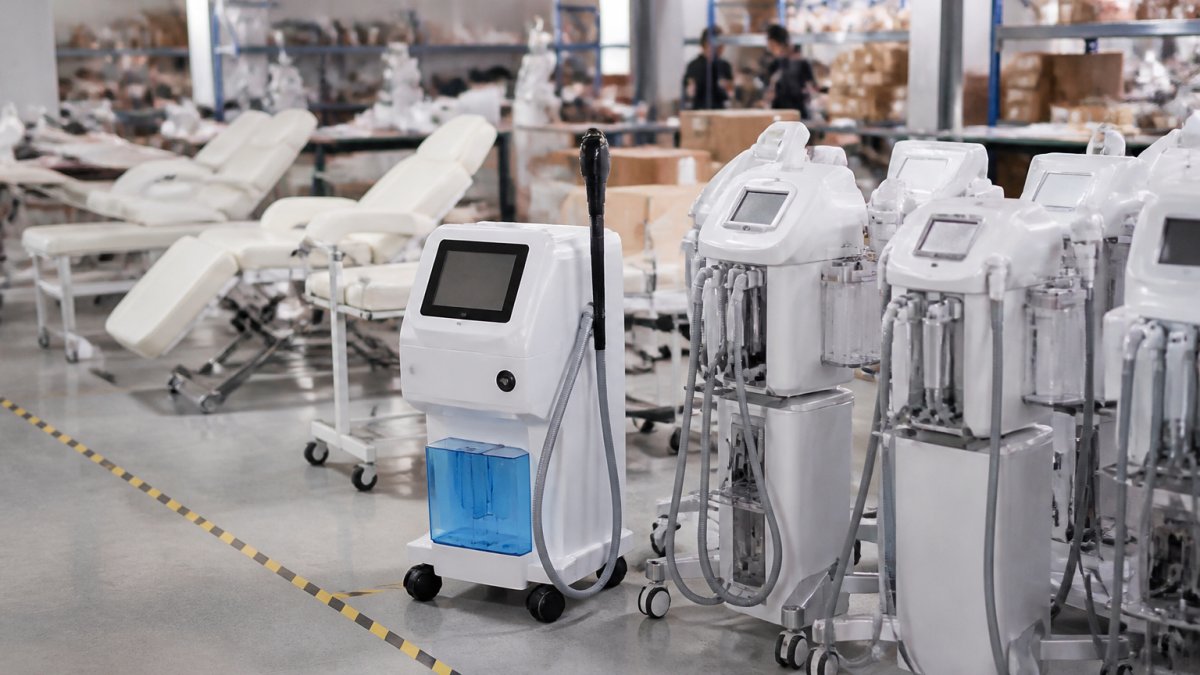
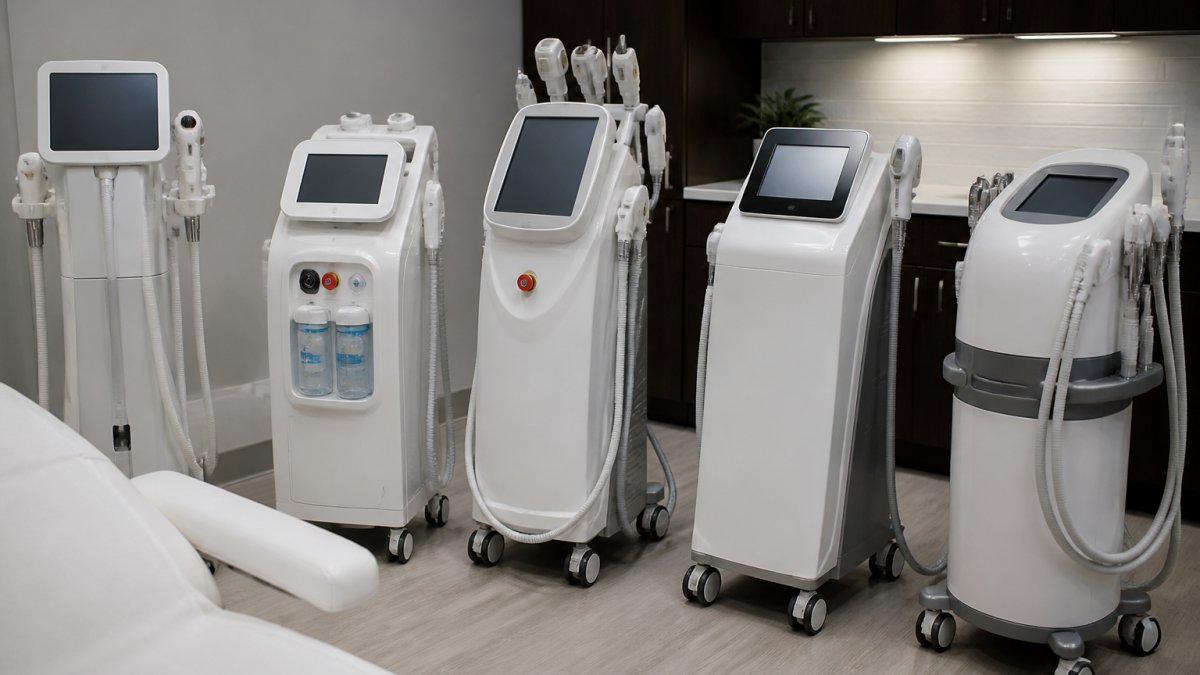
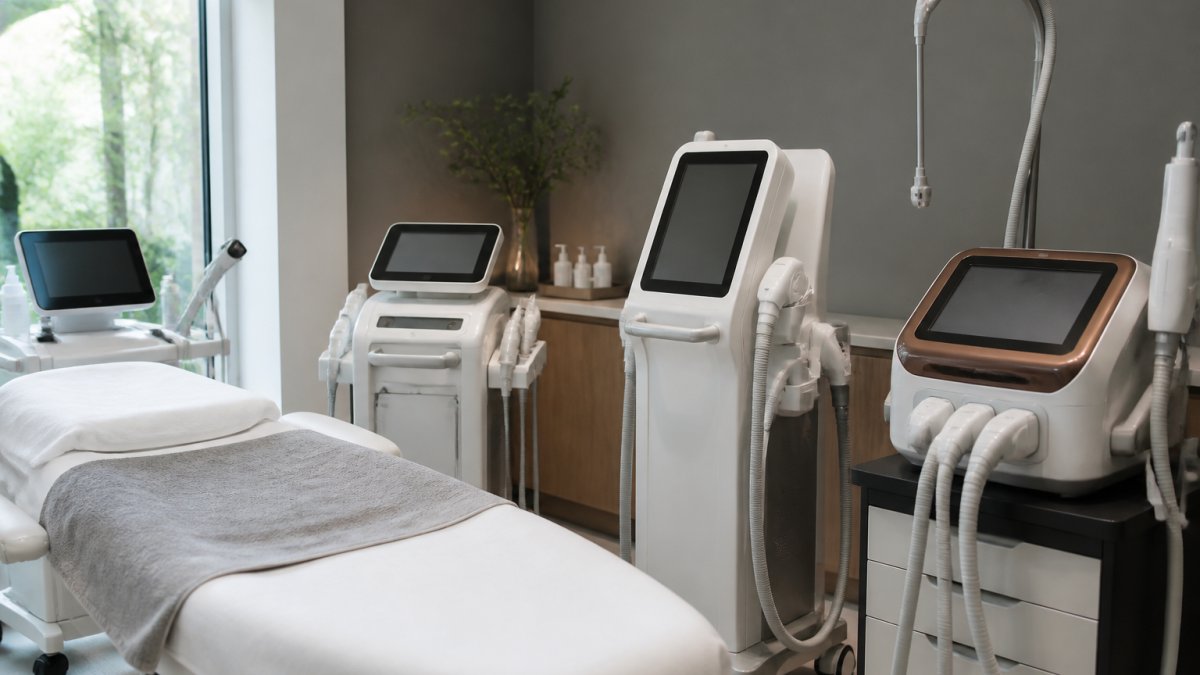
Medical spa equipment falls into three categories: treatment furniture, aesthetic devices (lasers, microneedling, radiofrequency), and practice management infrastructure. Each requires different evaluation criteria.
Treatment Tables and Chairs as Your Foundation
Your treatment table is where every client experience begins. It's a clinical tool affecting practitioner ergonomics, client comfort, treatment outcomes, and practice professionalism.
Electric treatment tables eliminate manual adjustments, reduce practitioner strain, and allow seamless positioning. The Bellage II Medical Spa Electric Treatment Chair features four independent motors controlling height, backrest angle, table tilt, and leg rest angle.

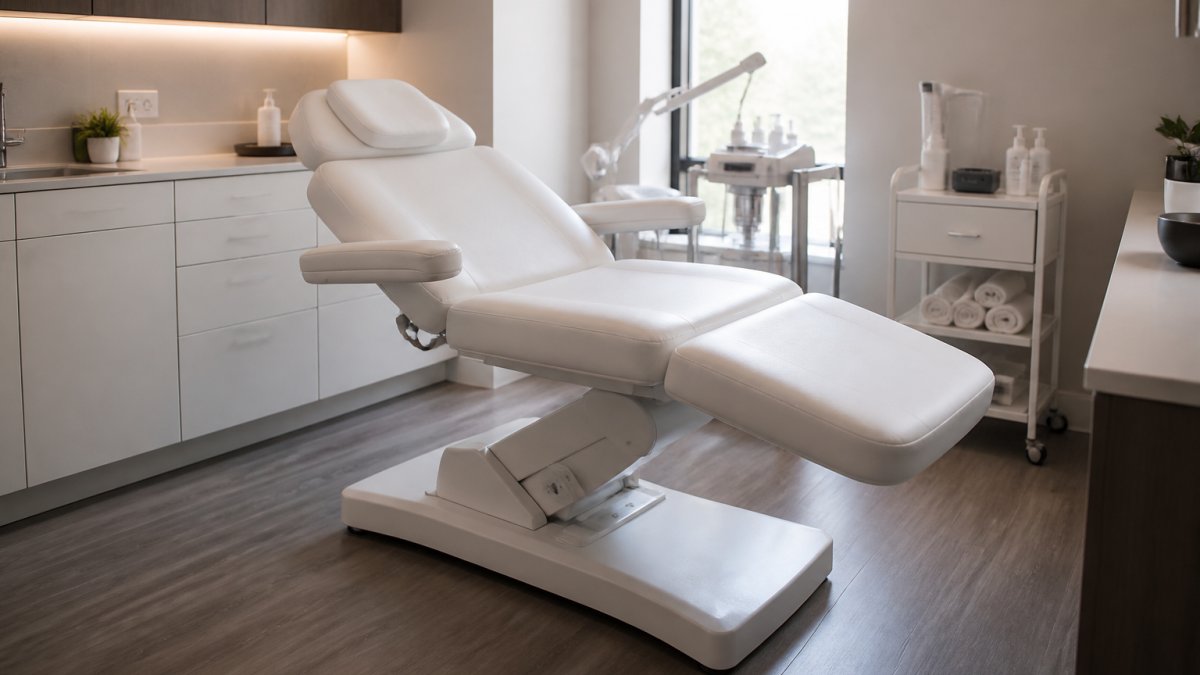
When evaluating treatment furniture, consider: motor count (four-motor tables offer more flexibility), stability at extreme angles, upholstery durability (high-quality vinyl withstands constant cleaning), space efficiency, and ergonomic controls (side panels reduce remote reliance).
A durable table used eight hours daily for five years delivers better ROI than replacing a cheap one every 18 months.
Aesthetic Devices and Technology Considerations
Aesthetic devices represent your core treatment capabilities, from microneedling and radiofrequency to laser platforms and injectables. Your device selection determines which services you can offer.
FDA-cleared devices are foundational. A device without proper clearance exposes your practice to regulatory action, liability, and reputational damage that no cost savings justify.
Established device categories (injectables, laser hair removal, microneedling) have extensive clinical data. Emerging technologies may offer novelty but often lack long-term outcome data.
Budget constraints force difficult choices. Solo practitioners might start with one high-quality system; multi-location practices need standardized devices that work reliably in high-volume settings.
FDA-Cleared Aesthetic Devices: Verification and Compliance Standards
FDA clearance is non-negotiable for any aesthetic device. The FDA's 510(k) process verifies that a device is substantially equivalent to a legally marketed predicate device and meets safety and effectiveness standards (the FDA).
Verify FDA clearance by asking suppliers for the device's clearance number and checking the FDA's searchable database. Legitimate suppliers provide this readily.
FDA-cleared devices come with labeling and contraindication lists you're legally required to follow. Many practitioners benefit from structured Online Service Training for Estheticians to ensure they're maximizing device capabilities and maintaining compliance with manufacturer protocols.
Don't conflate "FDA-registered facility" with "FDA-cleared device." Registration means the facility is known to the FDA; clearance means a specific device has passed safety and effectiveness review. Only cleared devices should be used clinically.
According to FDA guidance on aesthetic devices, manufacturers must maintain quality systems, adverse event reporting, and post-market surveillance for cleared devices. This creates accountability that uncleared alternatives lack.
Equipment Durability and Lifecycle ROI Analysis
Equipment durability directly determines ROI. A table requiring replacement every three years costs far more over a decade than a higher-priced table lasting eight years.
Durability depends on build quality, usage intensity, and maintenance. A table used four hours daily lasts longer than the same model used ten hours daily.
Calculate equipment ROI by dividing total cost (purchase, maintenance, repairs, parts) by expected years of use. This reveals true annual cost, often surprising practitioners focused only on purchase price.
High-performance equipment from established manufacturers typically costs more upfront but delivers better durability and lower total cost of ownership. SkinAct's equipment is engineered for professional environments and backed by one-year warranties covering defects in materials and workmanship.
New vs. Refurbished vs. Used Equipment
New equipment offers full warranty coverage and zero unknown history. Refurbished equipment costs 20-40% less but includes limited warranty. Used equipment carries highest risk with no warranty. For most practices, the cost difference between new and refurbished justifies full warranty coverage. Multi-location practices benefit from buying all new equipment to ensure standardized features.
Medical Spa Equipment Financing: Leasing, Purchasing, and Budget Planning
Capital expenditure for medical spa equipment often requires financing. Your options include outright purchase, equipment financing loans, and leasing arrangements.
Purchasing equipment outright requires significant upfront capital but gives you ownership and eliminates ongoing payments. This works well for established practices with strong cash flow.
Leasing shifts the capital burden to the lessor. You pay monthly fees and avoid ownership, which means the lessor handles maintenance and replacement if equipment fails.
The choice depends on your practice stage, cash flow, and growth plans. A new practice with limited capital might lease initially, then purchase as revenue grows.
When evaluating financing options, compare the total cost of ownership across all three models. A lease might seem cheaper monthly but cost more over five years than a purchase financed over the same period.
Medical Spa Equipment Maintenance Checklist and Technical Support
Equipment maintenance determines how long your investment lasts and how often you experience costly downtime. A preventative maintenance plan costs far less than emergency repairs or replacement.
Bellage Medical Spa Electric Treatment/Procedure Chair (Table) - Fully Electric →
Daily maintenance tasks include cleaning upholstery with appropriate disinfectants, checking for visible damage or loose components, and testing all positioning functions. Weekly tasks might include deeper cleaning, checking electrical connections, and testing safety features.
Manufacturer maintenance guidelines vary by equipment type. Treatment tables typically require less intensive maintenance than complex aesthetic devices. Always follow the manufacturer's recommended maintenance schedule, skipping maintenance voids warranties and accelerates equipment degradation.
Technical support quality matters enormously when equipment fails. A supplier that responds within hours is vastly different from one that takes days.
Downtime Mitigation and Warranty Coverage
Equipment downtime directly reduces revenue. A treatment table down for a week eliminates all services that require it.
Warranty coverage is your first line of defense. A one-year warranty covering parts and labor means repair costs are covered if equipment fails within that period.
Beyond warranty, consider whether your supplier stocks replacement parts or can source them quickly. A supplier that keeps common parts in inventory can often repair equipment same-day.
For critical equipment (like a primary treatment table), some practices maintain a backup unit. This eliminates downtime risk but requires capital for a second purchase.
Service level agreements (SLAs) formalize the supplier's commitment to response and resolution times. An SLA might guarantee response within four hours and resolution within 48 hours.
| Maintenance Task | Frequency | Purpose |
|---|---|---|
| Clean upholstery with disinfectant | Daily | Infection control, appearance |
| Test all positioning functions | Daily | Safety, early problem detection |
| Check electrical connections | Weekly | Fire/shock prevention |
| Lubricate moving parts | Monthly | Smooth operation, longevity |
| Inspect for wear and damage | Monthly | Identify problems before failure |
| Professional service inspection | Annually | Comprehensive system check |
Evaluating Supplier Reliability and Service Level Agreements
Supplier choice matters as much as equipment choice. A reliable supplier provides consistent quality, responsive support, and dependable delivery. An unreliable supplier creates ongoing headaches that undermine your practice.
Ask potential suppliers for references from other practices they serve. Speak directly with those references about their experience. Questions to ask: Has equipment been reliable? How responsive is support? Would they buy from this supplier again?
Supplier transparency about customization options signals confidence in their product. Suppliers who only offer standard catalog items may lack the manufacturing flexibility to support growing practices.
Downtime Mitigation and Warranty Coverage
Downtime risk increases with equipment complexity. A simple treatment table has fewer failure points than a sophisticated laser system. For complex equipment, downtime mitigation becomes critical.
Some suppliers maintain regional service centers where equipment can be repaired quickly. Others offer loaner equipment while yours is being serviced, eliminating downtime entirely. When evaluating suppliers, ask about their downtime mitigation strategies and whether they're willing to formalize them in a service agreement.
Warranty terms vary significantly. Standard one-year warranties cover manufacturer defects but not wear and tear or misuse. Extended warranties might cover additional years but with higher deductibles or exclusions. Read warranty terms carefully and understand exactly what's covered.
Integration with Practice Management and EMR Systems
When selecting equipment, verify compatibility with your existing practice management and EMR systems. Some devices integrate directly (automatically logging treatment data to your EMR). Others require manual data entry.
Practice management software from providers like major EHR system vendors increasingly supports integration with aesthetic devices.
Multi-location practices benefit especially from integrated systems. A unified view of client records, treatment history, and inventory across all locations improves consistency and enables better decision-making.
Choosing medical spa equipment requires balancing multiple factors: clinical capabilities, durability, cost, supplier reliability, and integration with your existing systems.
Start by clarifying your practice's specific needs, your client base, service offerings, and growth plans. Then evaluate equipment against those needs rather than against generic "best" options.
When you're ready to invest in equipment that delivers durability, clinical performance, and long-term value, SkinAct offers professional-grade treatment furniture and aesthetic technology designed for serious practitioners. Explore our full equipment portfolio and Online Service Training for Estheticians designed to help you build a thriving practice.

Frequently Asked Questions
What regulatory standards must medical spa equipment meet?
Medical spa equipment must comply with FDA clearance requirements for aesthetic devices and adhere to safety standards established by regulatory bodies. Treatment furniture must meet ergonomic and stability standards, while powered devices require UL certification and electrical safety compliance. Always verify FDA registration status directly with the manufacturer or the FDA database. Professional suppliers maintain strict quality control to ensure all equipment meets these standards consistently.
How do I evaluate the durability of aesthetic treatment furniture?
Assess durability by examining material quality (high-grade vinyl or PU upholstery resists damage), motor specifications (4-motor systems offer longer lifespan than 2-motor designs), and warranty coverage (1-year minimum standard). Request information about maintenance protocols and typical equipment lifespan in high-use environments. Ask suppliers about their quality control standards and whether they conduct stress-testing. Treatment furniture in busy practices experiences daily wear, so investing in proven, robust designs prevents costly downtime.
What is the difference between consumer-grade and professional-grade spa devices?
Professional-grade equipment is engineered for daily, multi-client use with reinforced components, advanced positioning systems, and clinical-level safety features. Consumer-grade devices lack the durability, precision, and regulatory clearance required for medical spas. Professional equipment includes features like multiple motorized adjustments, medical-grade materials, and service-level agreements. For medical spas performing aesthetic procedures, professional-grade equipment is essential for patient safety, treatment efficacy, and long-term ROI.
How does equipment selection impact medical spa insurance and liability?
Insurance providers require documentation that your equipment meets FDA clearance standards and safety regulations. Professional-grade, properly maintained equipment reduces liability risk by demonstrating compliance with industry standards. Equipment with comprehensive warranties and manufacturer support reduces claims related to device malfunction or patient injury. Selecting from reputable suppliers with transparent product documentation and service agreements strengthens your coverage and protects your practice from regulatory and liability exposure.
Should I purchase new equipment or consider refurbished options?
New equipment offers full warranty coverage, latest technology, and predictable performance, making it ideal for practices prioritizing reliability. Refurbished equipment from reputable suppliers can reduce capital expenditure while maintaining quality standards, provided it includes warranty protection and has been thoroughly tested. Used equipment carries higher risk of unexpected failures and limited recourse. For medical spas, new or certified refurbished equipment from established suppliers balances budget constraints with the durability your practice requires.
What questions should I ask a supplier before committing to a purchase?
Ask about FDA registration status, warranty terms, and technical support availability. Inquire about lead times and capacity to supply multiple locations if you're expanding. Request information about preventative maintenance requirements and the cost of replacement parts. Confirm whether the supplier offers training for your staff and what happens if equipment fails during peak service hours. Understanding the supplier's service level agreement and downtime mitigation strategy is critical for operational continuity.
How do I calculate ROI on medical spa equipment purchases?
Calculate ROI by dividing net profit from treatments performed on the equipment by the total equipment cost, then multiply by 100. Factor in treatment pricing, client volume capacity, equipment lifespan (typically 5-10 years), maintenance costs, and financing expenses. Professional-grade treatment tables that accommodate more positioning options and aesthetic devices with proven clinical efficacy generate higher revenue per procedure. Equipment durability directly impacts ROI by reducing replacement costs and downtime losses over the equipment's lifecycle.