Beyond Surface Exfoliation: The Role of Microdermabrasion in Targeted Biological Pathway Repair
From Glow to Goal-Oriented Skin Repair
Microdermabrasion (MDA) is widely known as a popular, minimally invasive skin resurfacing technique primarily associated with improving skin texture and radiance. However, advances in device engineering and molecular research reveal MDA's deeper role in activating precise biological pathways that drive measurable structural skin remodeling.
This evolution marks a shift from "general glow" treatments to targeted, functional outcomes tailored to individual patient skin concerns such as scars, pigmentation, and photoaging. Understanding these mechanisms empowers clinicians to optimize MDA protocols and synergize with corrective ingredient technologies for enhanced clinical efficacy.
Traditional View Surface exfoliation for temporary brightness |
Modern Understanding Biological pathway activation for structural repair |
Clinical Impact Measurable, personalized functional outcomes |
Precision-Engineered Microdermabrasion: Mechanism and Molecular Activation
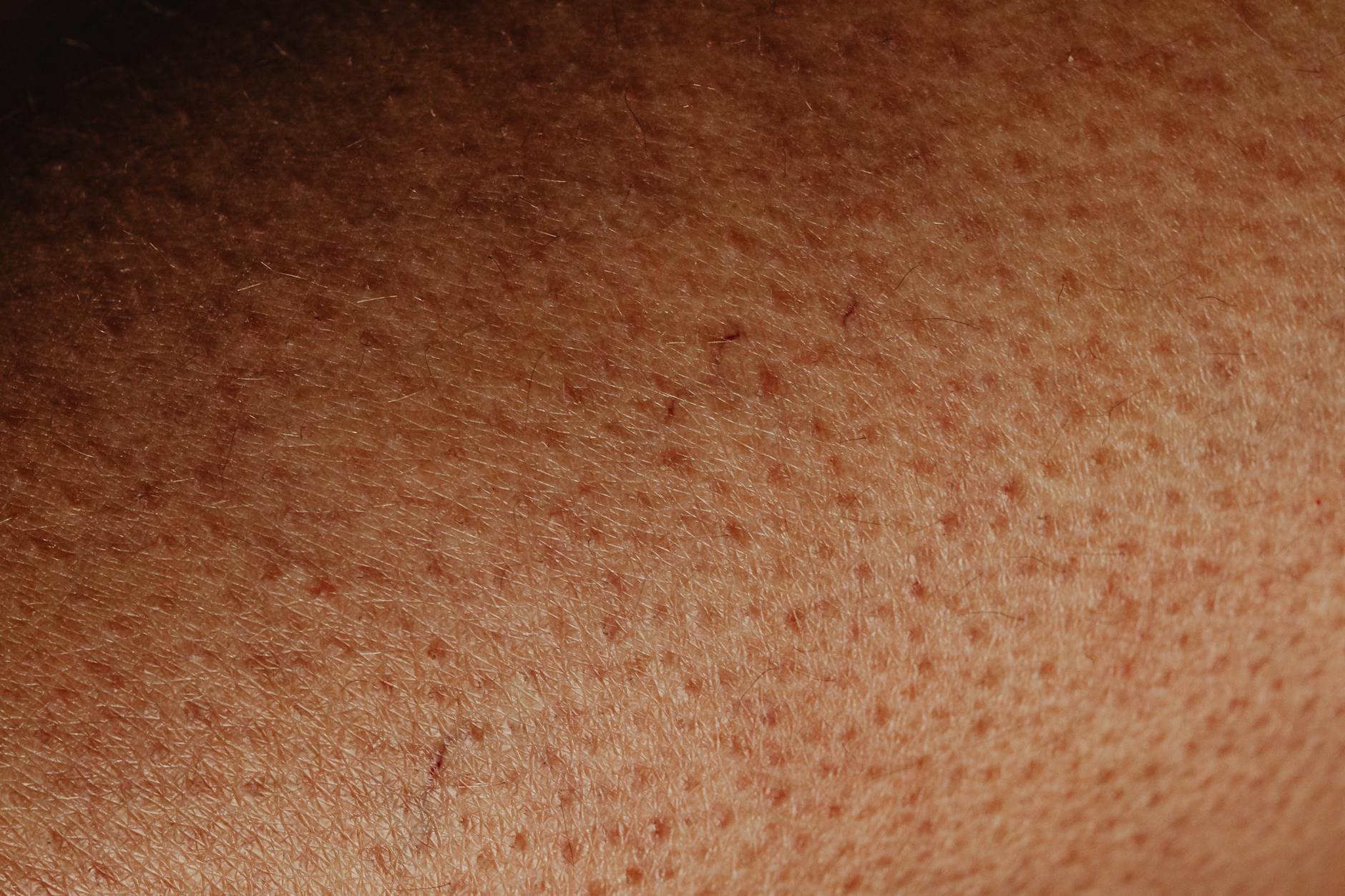
Modern MDA devices use controlled abrasive crystals (e.g., aluminum oxide) or crystal-free systems combined with vacuum suction to selectively remove the stratum corneum, the skin's outermost barrier layer.
This controlled epidermal abrasion triggers a wound healing cascade involving key transcription factors such as activator protein 1 (AP-1) and nuclear factor kappa B (NF-kB), which regulate cell growth, differentiation, apoptosis, and inflammation.
01 Immediate Response Ninefold increase in c-Jun within one hour post-treatment, indicating robust activation of repair pathways |
02 Epidermal Changes Controlled removal of stratum corneum triggers localized wound healing cascade in upper epidermis |
03 Dermal Remodeling Increased collagen fiber density, elastic fiber deposition, and vascular ectasia at dermal-epidermal junction |
04 Structural Enhancement Improved skin thickness and biomechanical properties through true regeneration |
Enhancing Delivery of Corrective Ingredient Technologies
By removing the stratum corneum barrier, MDA significantly increases skin permeability, facilitating enhanced transdermal delivery of active ingredients such as antioxidants, peptides, and growth factors. Studies demonstrate that skin barrier function begins to recover within 12-24 hours post-MDA, creating a therapeutic window for optimized topical application.
12-24 hours of enhanced permeability post-treatment allows for deeper penetration and improved bioavailability of corrective agents
Synergistic Benefits
- Amplified efficacy in addressing pigmentation
- Enhanced treatment of fine lines and wrinkles
- Improved scarring reduction outcomes
- Personalized ingredient selection based on patient goals
Barrier Removal Stratum corneum selectively ablated |
Enhanced Penetration Active ingredients reach deeper layers |
Amplified Results Synergistic functional outcomes |
Clinical Outcomes: From General Glow to Defined Functional Results
Real-world clinical evidence supports MDA's ability to improve a range of skin conditions beyond superficial brightness, including acne scars, melasma, photoaging, and striae. Histologic studies reveal thickening of both epidermis and dermis, flattening of rete ridges, and new collagen and elastin formation after multiple MDA sessions.
Patients report not only enhanced skin softness and glow but also measurable reductions in pore size, pigmentation irregularities, and wrinkle depth. The procedure's minimal downtime and low side effect profile make it suitable for repeated treatments, enabling cumulative biological repair.

Texture Refinement Measurable improvements in skin smoothness and pore size reduction |
Pigmentation Control Visible reduction in irregularities and melasma intensity |
Anti-Aging Results Decreased wrinkle depth and enhanced dermal thickness |
Scar Remodeling Structural improvement in acne scarring and tissue repair |
The Future of Microdermabrasion in Clinical Aesthetics
Microdermabrasion has matured from a simple exfoliation tool into a precision device that activates targeted biological pathways for skin repair and regeneration. By leveraging its ability to induce structural skin changes and enhance delivery of corrective ingredients, clinicians can achieve defined, functional outcomes rather than just superficial improvements.
This approach aligns with the growing demand for personalized aesthetic treatments that address the root causes of skin aging and damage. Continued research and technological innovation will further refine MDA protocols, expanding its role in comprehensive skin health management.
Precision Medicine Treatments tailored to individual biological pathways and skin concerns |
Evidence-Based Protocols Clinical decisions driven by molecular understanding and measurable outcomes |
Patient Satisfaction Lasting skin vitality and resilience beyond temporary cosmetic improvements |
Ultimately, embracing microdermabrasion's full biological potential transforms patient care—delivering not just a glow, but lasting skin vitality and resilience. The future of clinical aesthetics lies in understanding and harnessing these precise mechanisms to achieve truly transformative results.