How to Launch a Head Spa Service in Your Salon Step by Step
Quick Summary
To launch a head spa service in your salon, first define the treatment in a one-page plan covering client, steps, duration, and result. Then validate demand with existing clients, run a limited pilot, and track real bookings before buying dedicated equipment.
- Write a one-page service definition before buying any equipment.
- Survey at least 30 to 50 existing clients before drawing conclusions about demand.
- Run a four-week pilot and track how many slots fill and how many clients return.
- Check state board of cosmetology licensing rules before you launch the service.
- Judge the service on at least four weeks of data, not the first two weeks of bookings.
Table of Contents
- Defining Your Head Spa Service Before You Buy Anything
- Validating Demand in Your Local Market
- Head Spa Equipment and Room Setup
- Head Spa License Requirements and Client Safety
- Building a Head Spa Service Menu and Setting Treatment Duration
- Training Staff, Running the Launch, and Measuring Results
- Booking Your First Head Spa Clients This Month
- Frequently Asked Questions
How to Launch a Head Spa Service in Your Salon Step by Step
Last Updated: November 11, 2026
Defining Your Head Spa Service Before You Buy Anything
A head spa service is a scalp-focused treatment that combines washing, massage, and relaxation. Many salon owners rush to buy equipment before they know what the service actually is.
Start by writing a one-page service definition. Answer four questions:
- Who is the client? A busy professional, a stylist's regular, or someone looking for stress relief?
- What does the treatment include? A basic scalp wash, a 45-minute massage, or a full ritual with steam and conditioning?
- How long does it take? Set a target time before you order any furniture.
- What result should the client leave with? Softer hair, a calmer mind, or a scalp that feels clean?
Keep the first version simple. A single signature head spa service is easier to market and easier to staff than a long menu.
Watch out: Do not promise medical results like treating hair loss unless you have the training and credentials to make that claim. Stick to describing relaxation and scalp care.
Validating Demand in Your Local Market
Before you buy equipment, you need evidence that enough clients will book a head spa service at a price that covers your costs. A structured check takes a few weeks and usually costs little more than staff time.
Step 1: Measure interest among your existing clients
Your current client list is the cheapest audience you have. Send a short survey through your booking software or a simple form with three questions: how often they would book a scalp-focused service, which price range they would consider, and which time slots work for them. Ask for a response from at least 30 to 50 clients before you draw conclusions, because a handful of answers can be misleading. Track the share of respondents who say they would book at least once a month.
Step 2: Map local competition with a price check
Visit the websites and booking pages of salons and spas within a reasonable driving distance and record what they charge for scalp treatments, shampoo-and-massage services, and any service sold as a head spa. Note the duration, whether steam or extended massage is included, and whether the service is sold alone or in a package. Build a simple table with one row per competitor.
Step 3: Run a limited pilot and count real bookings
Offer the service for a fixed window, such as two sessions per week for four weeks, using existing staff and a borrowed or temporary setup if needed. Record how many slots you open, how many are booked, how many clients come back, and how many book a second time. A pilot that fills 60 percent of slots with a meaningful share of repeat clients is a stronger signal than any survey.
Step 4: Estimate appointment demand before you invest
Turn your findings into a rough monthly demand estimate. Multiply the number of current clients who said they would book by the average number of visits you expect per client per month, then apply a conservative conversion rate from the pilot.
Watch out: Survey enthusiasm often runs higher than actual booking behavior. Use your pilot numbers, not survey answers, as the basis for any purchase decision.
Keep a simple log of each signal, its source, and the date.
Head Spa Equipment and Room Setup
The core equipment for a head spa is a reclining shampoo station, a warm towel system, and comfortable seating for the client.
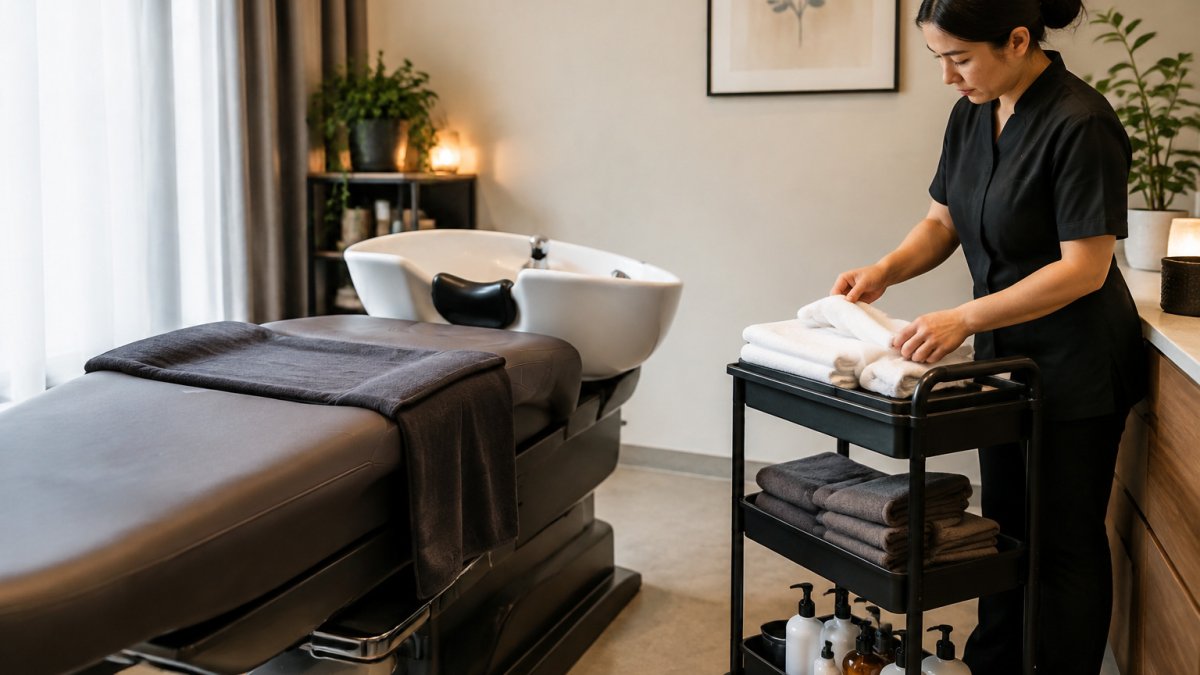
Common options for a salon include:
| Equipment | Best For | Example from SkinAct's Catalog |
|---|---|---|
| Head spa bed with massage system | Full head spa experience | Domerra Head Spa Massage Bed, $2,499.00 |
| Shampoo chair with porcelain bowl | Standard wash-and-massage service | Melo Shampoo Chair, $649.00 |
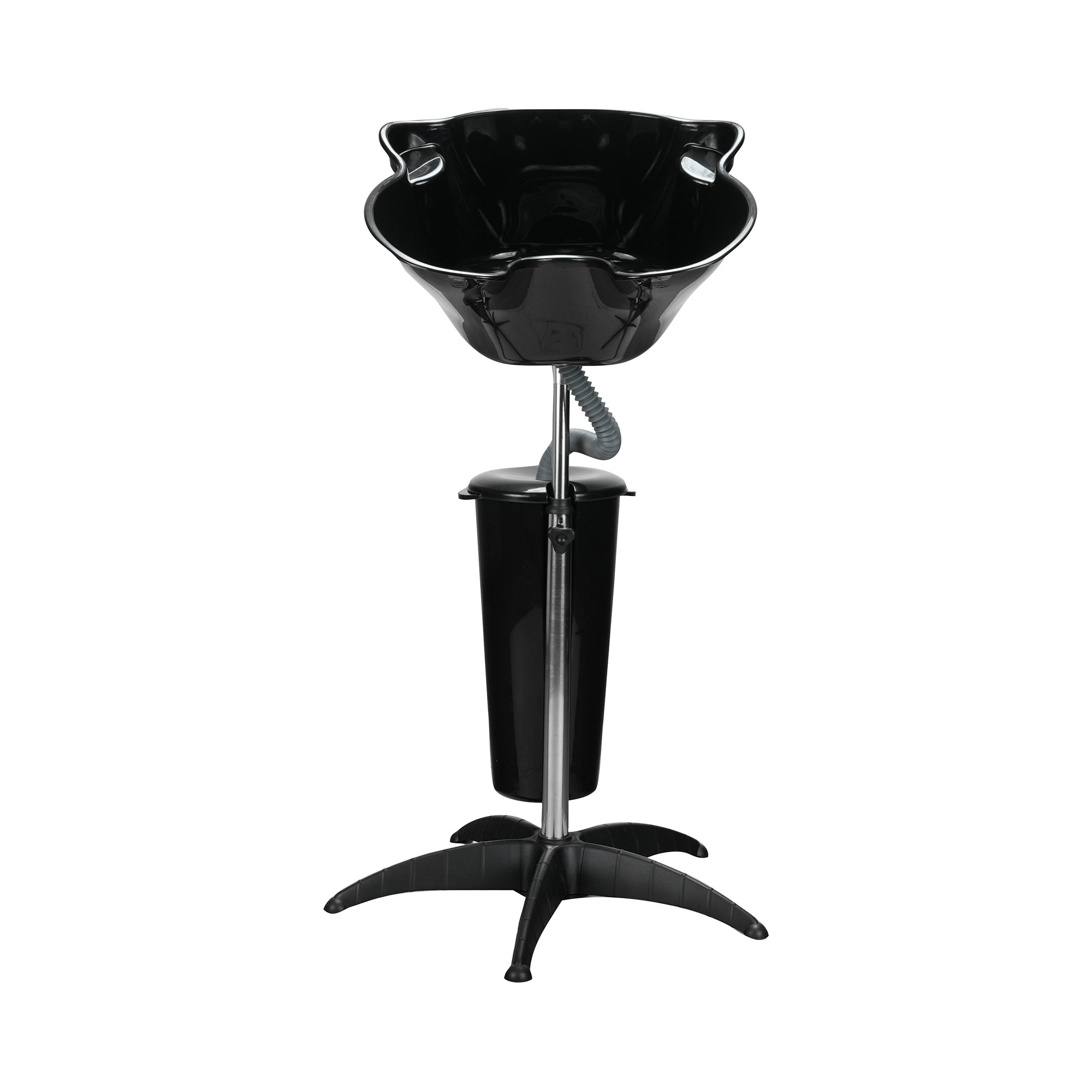
| Portable sink (no plumbing needed) | Spaces without plumbing | Portable Shampoo Bowl No Plumbing Hair Washing Sink |
| Hair steamer | Add-on steam treatment | Elite Hair Steamer, $129.00 |
| Hot towel warmer | Warm towels for every service | 12 Piece Hot Towel Cabinet, $139.00 |
| Rolling cart with locking drawers | Organized supplies | Salon Spa Cart with Two Drawers, $229.00 |
If your space is tight, a compact shampoo chair and a rolling cart may be enough to start.
Plan the workflow too. If your room has no plumbing, a portable hair-washing sink lets you run the wash step anywhere.
Head spa equipment prices in SkinAct's catalog
Head Spa License Requirements and Client Safety
Licensing rules for head spa services vary by state. Check with your state board of cosmetology before you launch.
Client safety matters for every head spa treatment. Plan these basics:
- Ask about scalp conditions, recent injuries, or skin reactions during the consultation.
- Keep a written intake form on file for each client.
- Test water temperature before every service.
- Wipe down basins and chairs between clients using products approved for salon use.
Watch out: Train your staff to recognize scalp conditions that call for a pause or a referral, and to decline the service when needed.
Building a Head Spa Service Menu and Setting Treatment Duration
Your menu should be short and clear. Most salons start with two or three options:
- Essential Head Spa (30 minutes): Wash, light massage, and conditioning.
- Signature Head Spa (60 minutes): Full massage, steam, and scalp treatment.
- Add-on Scalp Boost (15 minutes): Steam or extra massage added to any service.
Set your price after you know your costs. Add up the equipment payments, product costs, staff time, and room overhead, then divide by the number of services you expect to sell each month. Price with a margin that covers that cost and your profit goal.
Keep appointment lengths consistent. Clients remember a service that starts and ends on time.
Training Staff, Running the Launch, and Measuring Results
A head spa launch depends on two things: whether your team can deliver the routine consistently, and whether you can read the numbers well enough to change course. Both need planning before the first paid client arrives. Building staff confidence in consistent routines and sound decisions about service adjustments can also begin with a Japanese Head Spa course.
Training that produces consistent sessions
Schedule at least two supervised practice sessions per stylist before the service opens to clients. In the first session, the trainer walks through the full routine step by step: the consultation questions, water temperature check, washing sequence, massage pressure and timing, steam application if included, and cleanup. In the second session, each stylist performs the full routine on a colleague while the trainer observes and notes timing and technique gaps.
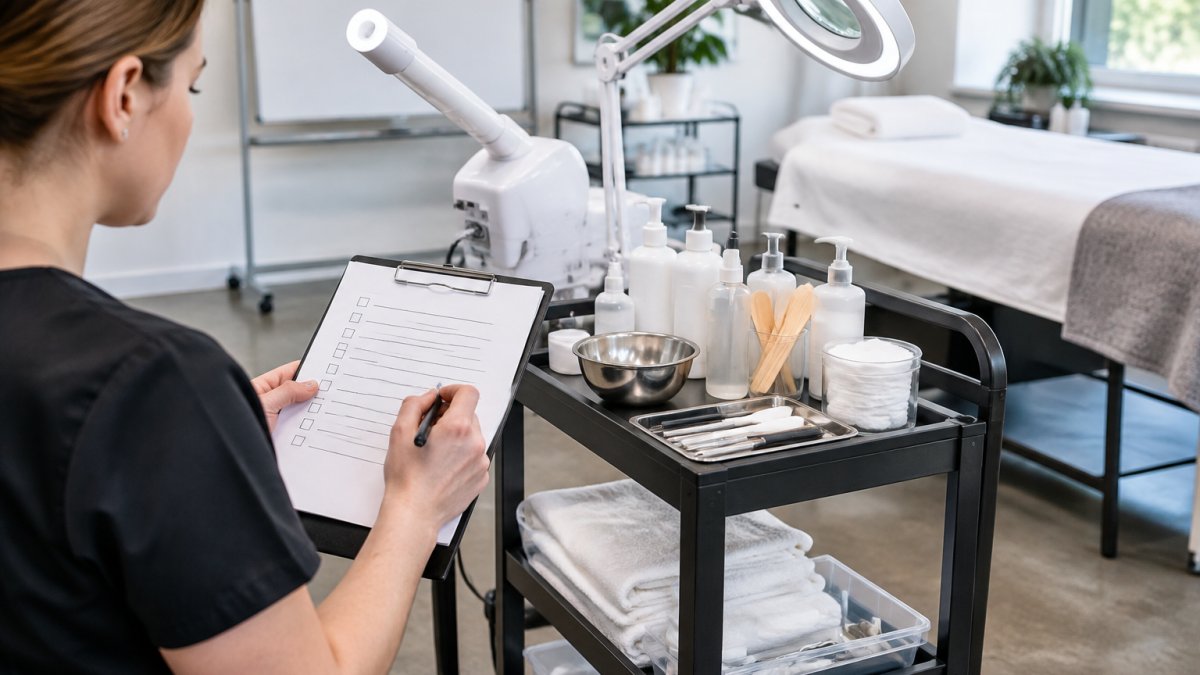
Write a one-page checklist that covers every step and its target time. Post it at the station. Consistency across stylists matters more to repeat bookings than any single exceptional session.
A launch sequence with clear milestones
Plan the launch in four phases, each with a deliverable you can check:
- Two weeks before: Staff complete both training sessions, the room is set up, and the booking page shows the service with a clear description and price.
- One week before: Existing clients receive a launch invitation with a limited introductory offer. Set a cap on introductory slots so you can see how your standard pricing performs once the offer ends.
- Launch weeks one and two: Track every booking, cancellation, no-show, and client comment in a shared log. Review the log at the end of each week and adjust the schedule or the consultation script if a pattern appears.
- Week four: Compare results against the targets you set before launch and decide whether to keep, adjust, or pause the menu.
KPIs and how to calculate them
Define each metric before launch so you can measure it the same way every week.
- Bookings per week: Count confirmed appointments, not inquiries. Compare against the number of slots you opened.
- Utilization rate: Booked minutes divided by available minutes in the head spa room. A utilization rate below about 50 percent over the first month usually signals a demand or scheduling problem rather than a pricing one.
- Rebooking rate: The percentage of clients who book a second head spa visit within 45 days. This is the most reliable indicator of whether the experience justifies the price.
- Average ticket: Total revenue from head spa appointments, including add-ons and retail, divided by the number of appointments. Track this against your break-even price.
- Introductory-offer conversion: The percentage of clients who used the launch offer and then returned at standard pricing. A low conversion rate means the offer attracted price-driven visits rather than service-driven ones.
Using break-even math to judge the menu
To decide whether the service is viable, calculate the monthly break-even point.
Watch out: Do not judge the service only by bookings in the first two weeks. Launch-period traffic often reflects existing clients trying the offer, so give the numbers at least four weeks before deciding.
If rebooking is low while bookings are healthy, the problem is usually the experience rather than the price. Ask recent clients two specific questions: what they valued most, and what they would change.
Booking Your First Head Spa Clients This Month
Start with the people who already trust you. Send a short message to your regular clients explaining the new service and offering a first-visit price. A few clear steps help:
- Post the service on your booking page with a clear description and price.
- Train your front desk to mention head spa when clients book other services.
- Offer a membership or package for clients who want regular visits, which encourages repeat business.
Plan for retail too. Simple scalp care products sold at the end of each visit can add to the revenue from each appointment.
Keep your first month focused on learning. Track what clients say, what they book, and where your schedule has gaps. Use those notes to plan your second month.
For online training on adding new treatments to your practice, see SkinAct's Online Service Training for Estheticians.
Frequently Asked Questions
Is a head spa service profitable for a salon?
It can be, provided the service is priced to cover its real costs. Start by adding up the cost of consumables, towels, and the staff minutes each session takes, then compare that with the price you plan to charge. Because a head spa usually takes longer than a standard wash, you should also calculate how many sessions a day your chair or bed can handle. Equipment such as the Domerra Head Spa Massage Bed, priced at $2,499.00, adds to your startup budget, so run a break-even estimate before committing. Track revenue per booked hour for the first three months to see whether the numbers hold.
Do you need a license to perform head spa treatments in the United States?
Requirements depend on your state and on the services you include. Many states license cosmetologists and estheticians, and scalp services that involve shampooing or massage often fall under those rules. Check with your state board of cosmetology before you launch, and confirm whether your current license covers the exact techniques on your menu. Keep copies of licenses for every staff member who performs treatments, and document any additional training you complete, since this helps with compliance and client trust.
How long should a head spa treatment take?
Most salons schedule a head spa treatment longer than a basic shampoo because the value comes from the massage and relaxation time. Build the duration around your steps: consultation, warm-up, cleansing, scalp massage, steam, and finishing. Test the full sequence with a staff member before you publish it, then adjust. A timed trial will show whether your planned length is realistic and whether you can fit the service into your existing booking grid without creating gaps or overruns.
What training do salon staff need to provide head spa services?
Staff should learn the full treatment protocol, including client consultation, scalp analysis, massage technique, safe use of warm towels and steam, and how to recognize when a client should not receive a particular step. Training should also cover how to use your equipment and how to clean it between clients. Schedule supervised practice sessions and keep a short written checklist at each station so every stylist delivers the same experience, which supports consistent results and client retention.